🌟 Starry Nights in the Dolomites — 1st Place, Travel
I won’t pretend this was just luck — but I’ll be the first to admit luck played its part.
What does reminds you upon night landscape photography? Planning a skill, devotion a place, patience, and willingness until light, weather, and imagination finally align?
The organizers of the Global Lens Photography Awards invited me to share the story behind the winning series: the decade of returning to the Dolomites, the years of waiting for a single frame, the cold October nights when the mountain huts were already closed and I was still out there alone by the lake.
They sent me the questions in advance. I answered them at home, quietly — able to concentrate on what really mattered: what I wanted to say to anyone curious enough to read it. No rush, no stage fright. Just the story, as honestly as I could tell it.
I think that’s how the best photographs happen too. Not in a hurry. 📖
1st Place. Global Lens Photography Awards 2025. Travel category.
In addition an Honorable Mention in Landscape.
You’ve been returning to the Dolomites for around a decade. What is it about these mountains that keeps pulling you back, especially at night?
In 2014, I went on an organized trekking tour to the Dolomites for the first time. I fell in love with them immediately. I had been to the German, Austrian,
Slovenian, and French Alps before, but for me the Dolomites became the queen of the Alps.
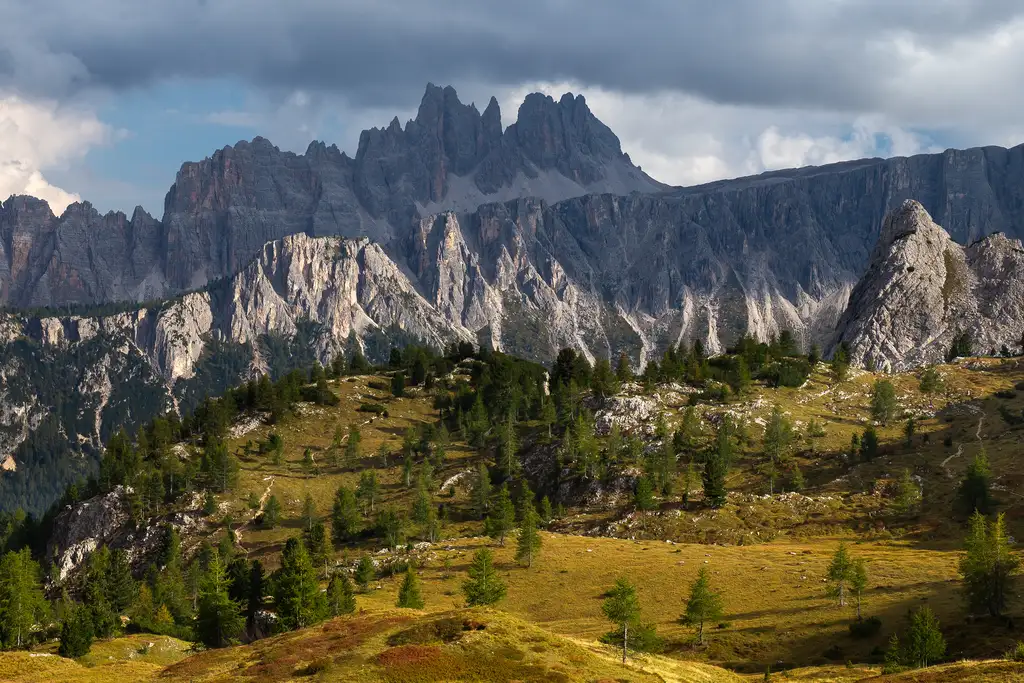
The others also impressed me with their size, wildness, dizzying height, and majestic views, but the Dolomites, with their graceful and delicately shaped peaks, decorated with thousands of laces, are sculptural works of art. And while elsewhere in the Alps the rocks are mostly dark grey, in the Dolomites the color of the mountains changes dramatically depending on the time of day.
During the day the peaks shine in whitish, light grey, or creamy white. At sunrise and sunset the rocks glow in the most diverse shades of red, orange, pink, and purple. At dusk, after the lights go out, the peaks often take on a cold, bluish, or mystical violet hue. This spectacular play of colors is due to the high magnesium and calcium carbonate content of the rock, which reacts much more vividly to light than other, darker rock parts of the Alps.
The hike itself was very exhausting for me. With my backpack loaded with interchangeable lenses and a tripod, I had a hard time keeping up with my fellow hikers, who were not photographers. With their small backpacks containing only a raincoat, sweater, a few sandwiches, and water, they briskly trotted along the daily hike from valley to peak, from pass to pass, from hut to hut. So during the day I just ran after them and absorbed the scenery.
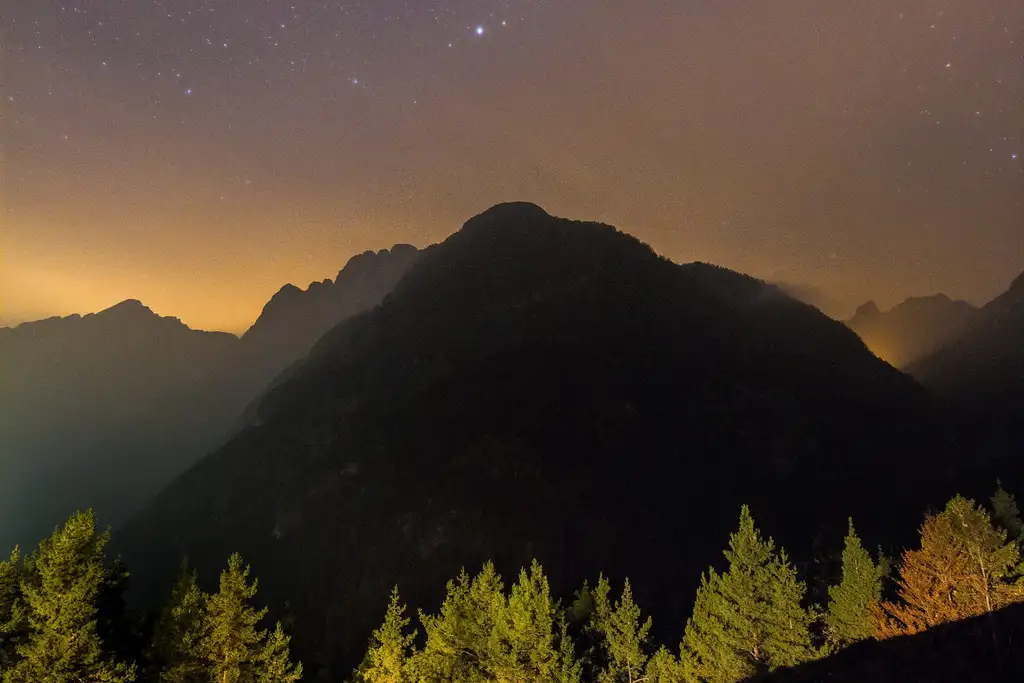
Arriving at a pre-booked hut, they kicked off their tired boots and indulged in a delicious dinner prepared in the hut’s kitchen before retiring for a rest. For me, after a tiring day of hiking, this is when the creative period began. Instead of dinner, I was looking for a view to capture the majestic landscape in the twilight lights until the stars shone.
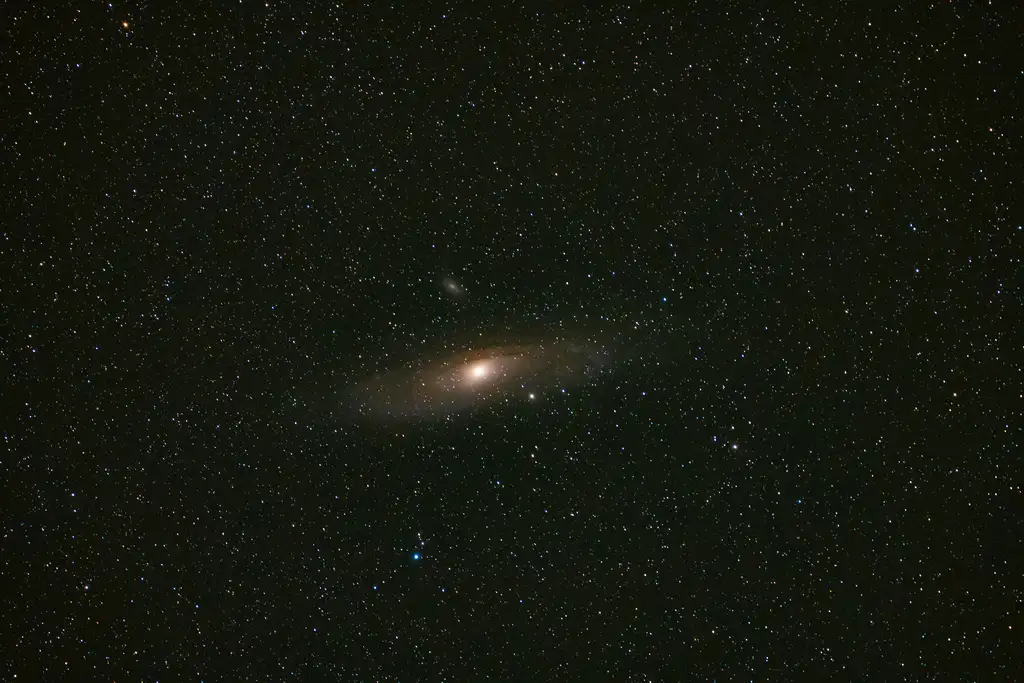
More than once, I was so absorbed in admiring and photographing the combination of the huge mountains and the even bigger starry sky that it was dawn before I realized that I hadn’t rested all night.
On this first hike, I was physically exhausted, but my camera’s SD card and my soul were recharged, my imagination was fired up by what I saw, and my bucket list was filled with the desire to see and capture familiar locations again in ideal light, as well as to discover new places.
All content of this expanded version:
Global Lens Award 2025 winner interview (Travel)
Original shorter interview published in https://globallensawards.com/interview/2025/gabor-takacs/