💤 🛌“While the others slept, I was just getting started.”
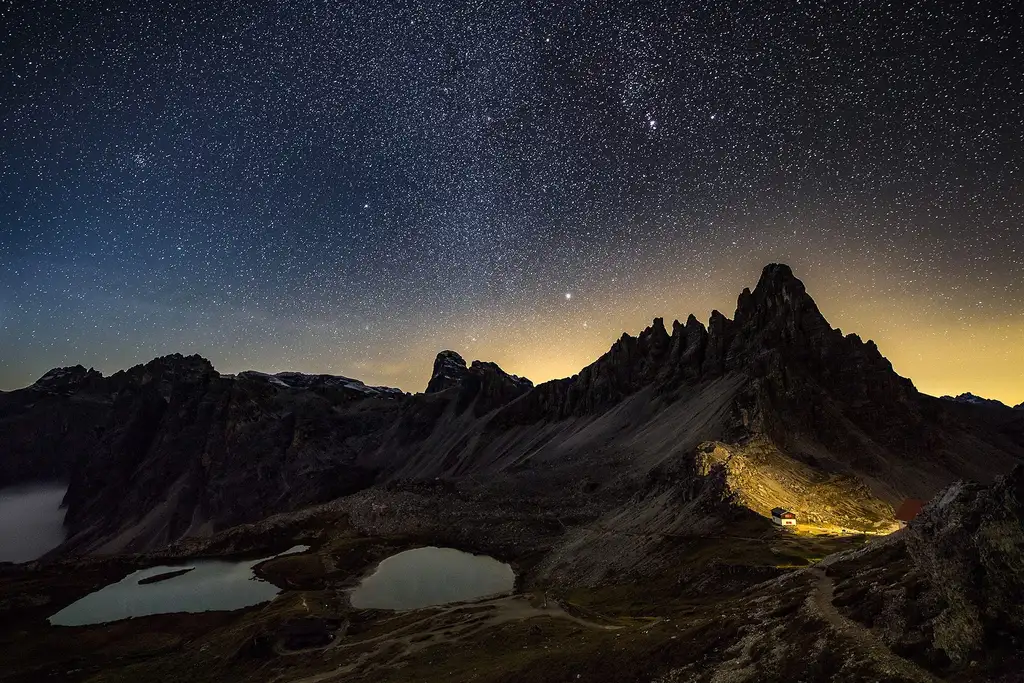
In 2014, I joined an organized trekking tour in the Dolomites for the first time. During the day, I ran after my fellow hikers — they carried a raincoat and some sandwiches; I carried a backpack full of lenses and a tripod. By the time we reached the mountain hut, they were done for the day.
For me, that’s when it began.
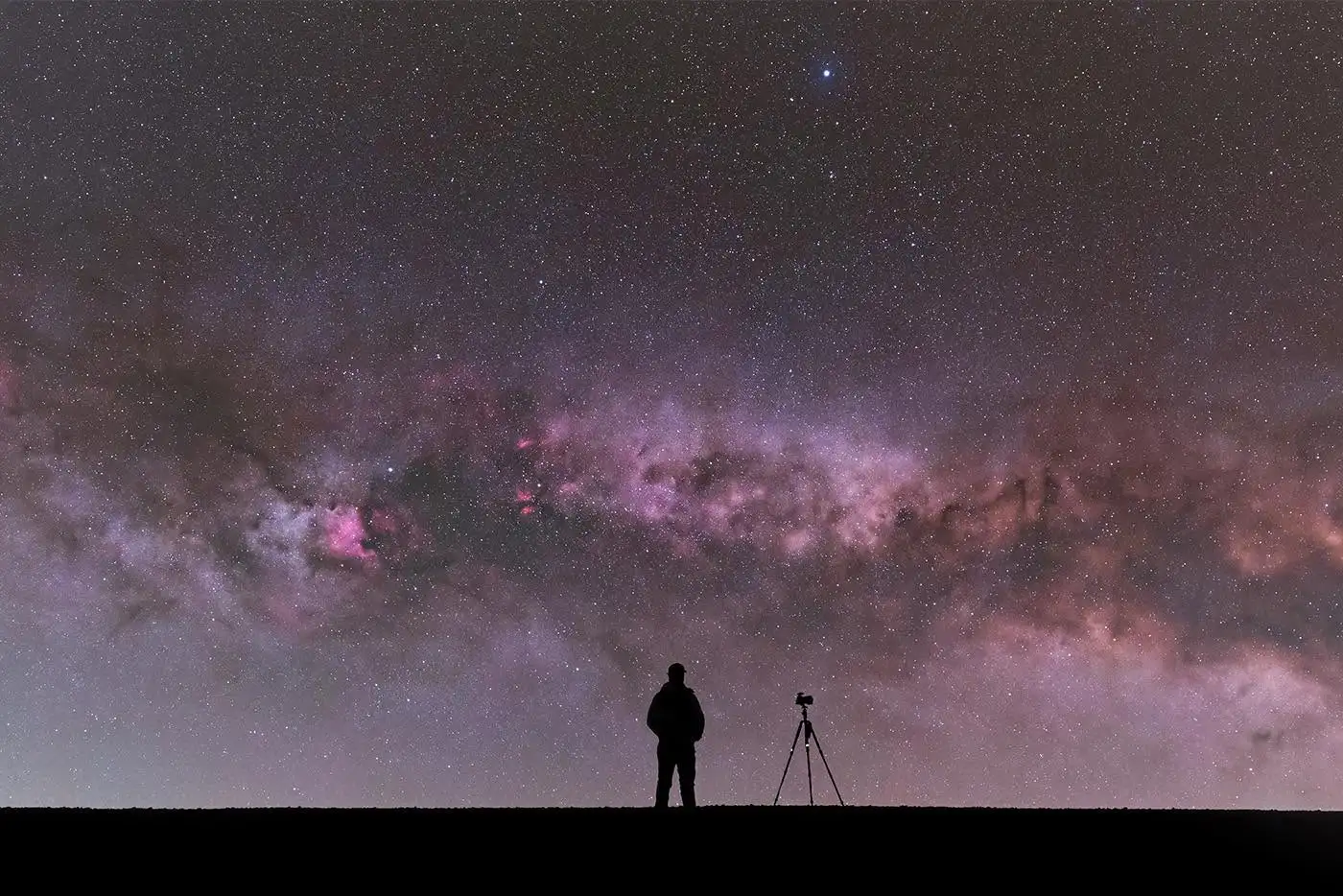
Instead of dinner, I went out looking for a view. I photographed the twilight. I waited for the stars. More than once, I was so absorbed that dawn arrived before I realized I hadn’t slept.
I came home physically exhausted. But my SD card — and my soul — were both full.
Eleven years later, that same range of mountains gave me a 1st Place at the Global Lens Photography Awards 2025.
Some love stories take a decade to tell. 🏔️✨
You mention scouting locations during daytime hikes and sometimes waiting years for the right conditions. How do you know a place is worth returning to again and again?
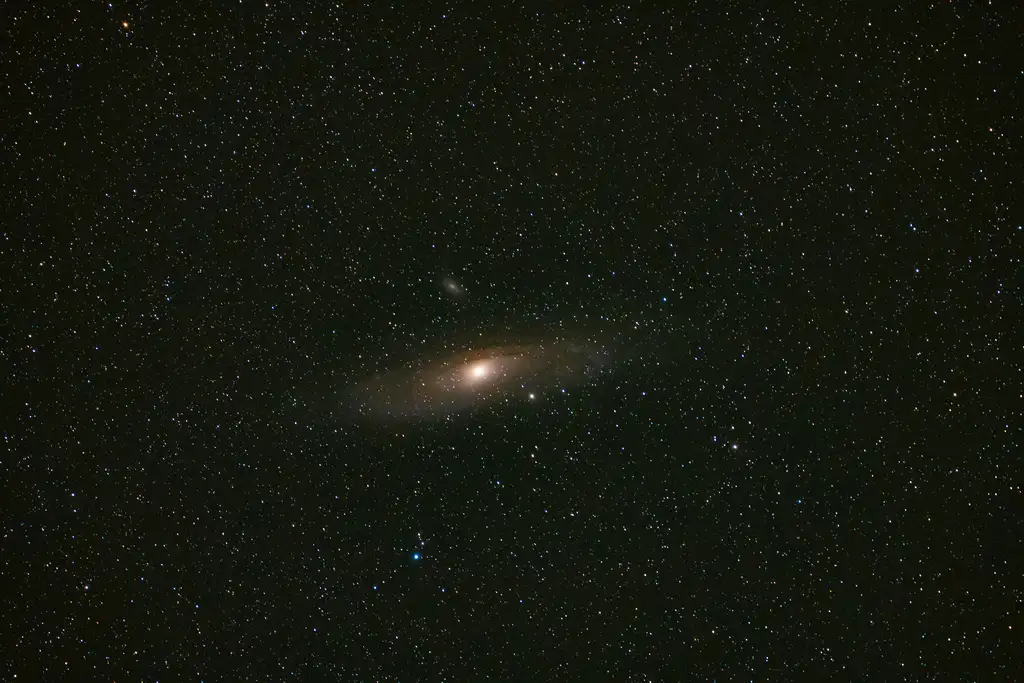
Although I have been most motivated by astrolandscape photography for the last ten years, I am not only a night owl.
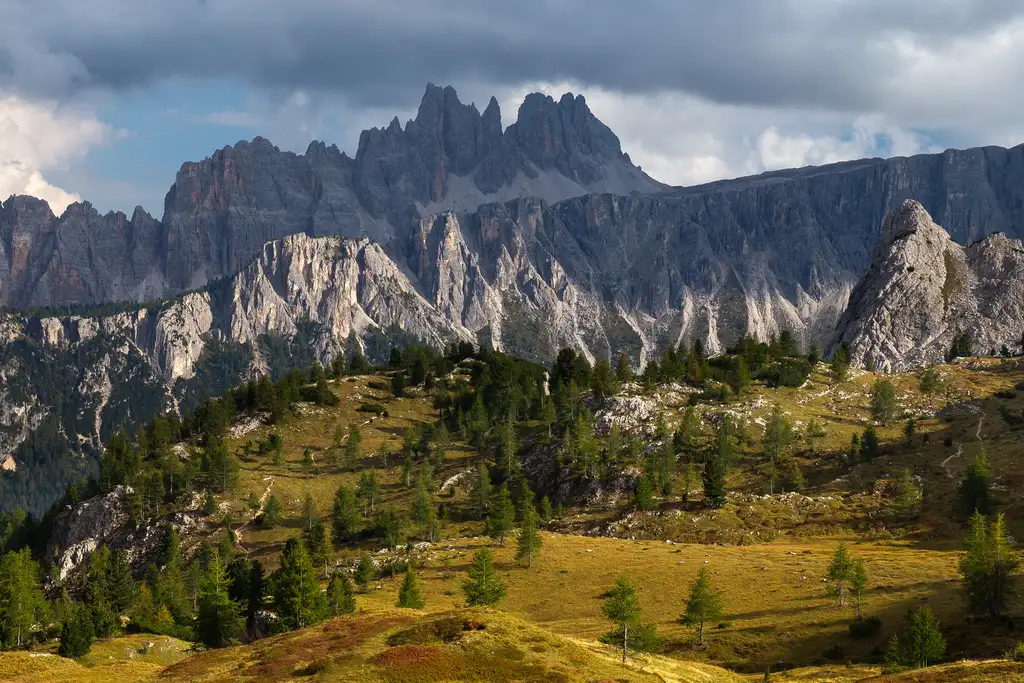
I am also a fan of classic daytime landscape photography.
Since the hidden beauty and plasticity of landscapes are best revealed by the warm dawn or dusk lights and elongated shadows, during the day, when the light is less advantageous for a landscape photographer, I hike and explore.
When I reach a point that seems interesting, I walk around the place, find the most ideal crop for me, and take a “sketch” picture. I think about what time of day it would be better to return, and at the same time I save the coordinates of the location.
I use the PhotoPills application, with which not only the exact position of the Sun and the Moon can be planned in advance. In the case of night photos, it connects to the camera of your mobile phone and shows how the landscape and the sky above it could look together. I can determine, down to the hour or minute, when I need to be there so that, for example, the Milky Way is in the most advantageous place for my composition.
And why can it sometimes take years? The strong moonlight fades the view of the stars and the Milky Way. The only days and hours of the night that are suitable for photographing the Milky Way are when the Moon is not above the horizon. And it is not certain that, due to the rotation of the Earth and the change of seasons, the Milky Way is in the ideal place at these suitable hours, or at all, at the time of year when I am there.
I live in Hungary; 700 kilometers of travel and country borders separate me from the location of the pictures I dream of. And although many factors can be planned precisely in advance, the weather is an exception. Despite the forecasts, the cloud cover can be very different and change quickly at a given location among the mountains. In addition to careful planning, luck is also necessary, or, as I believe, the Creator’s blessing.
All content of this expanded version:
Global Lens Award 2025 winner interview (Travel)
Original shorter interview published in https://globallensawards.com/interview/2025/gabor-takacs/